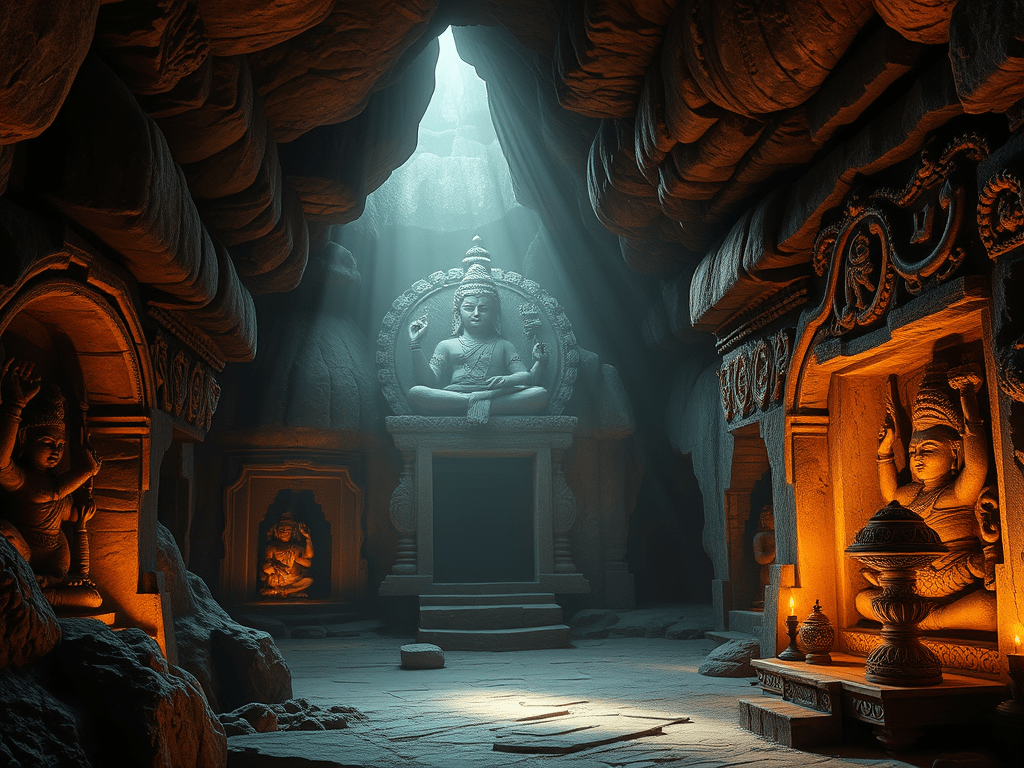
🌌 The Lost Gateway to Devlok: A Forbidden Path in the Heart of Tripura
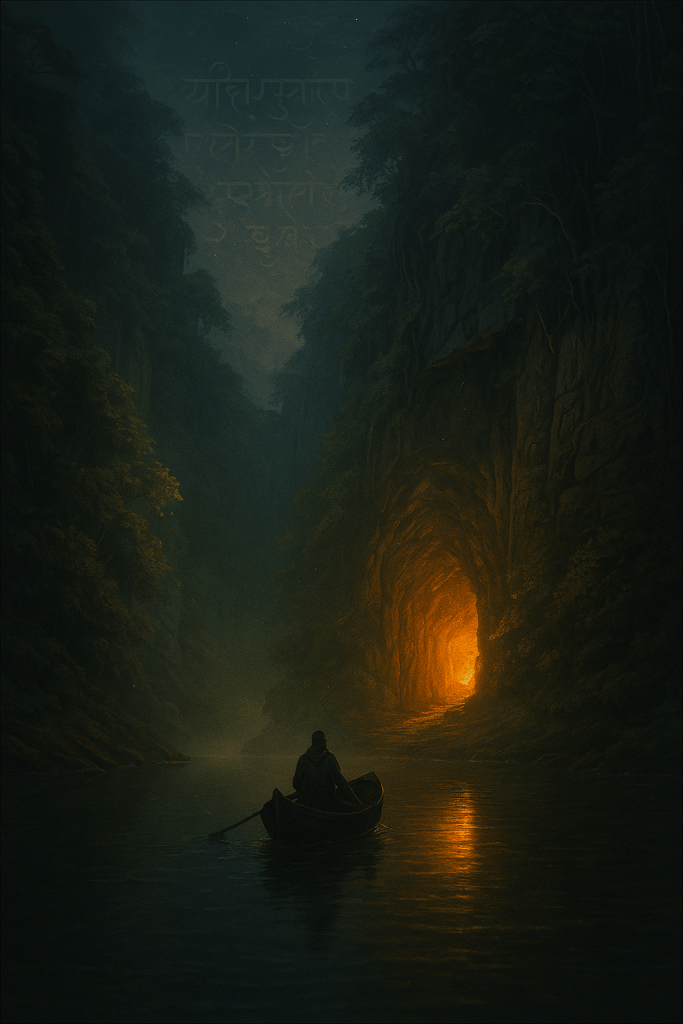
Deep in the northeastern folds of India, where civilisation thins and nature reigns with unrelenting force, there exists a secret only whispered in tribal legends and ancient scriptures. A place that once seemed like folklore… until now.
This is no ordinary travel story. This is a tale of untraversed rivers, cursed deities, silent caves, and a path that possibly—just possibly—connects our mortal realm with that of the gods.
Welcome to Chhabimura, also known as Devta Mura, a hidden mystical realm in the state of Tripura. And more importantly, welcome to the unbelievable expedition in search of “Dev Dwar” – The Gateway to Devlok.
🛤 Where Roads End and Myths Begin
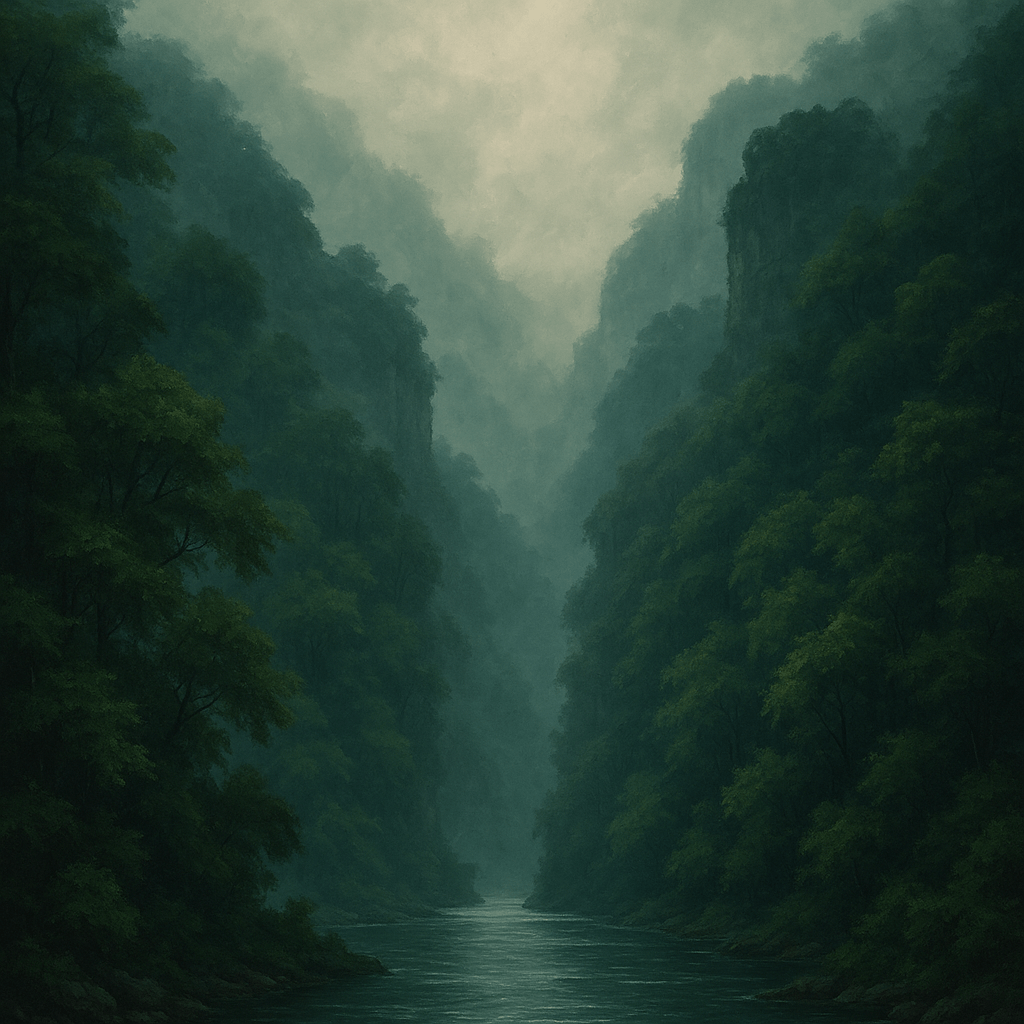
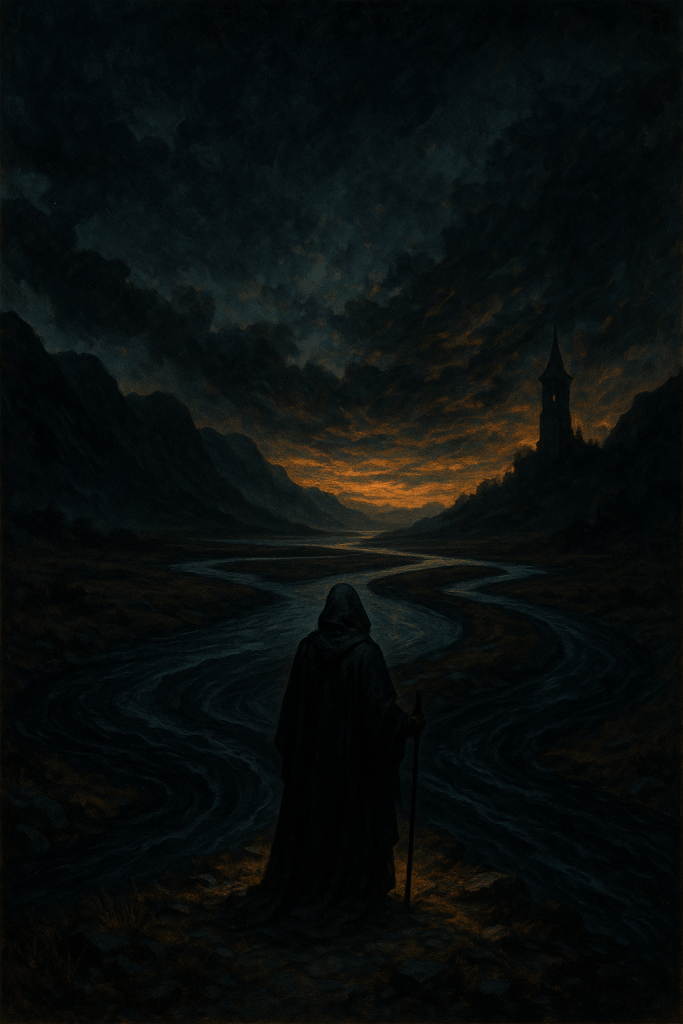
The journey starts not with a grand entrance, but where the very last road of the country ends—in a small, forgotten village where time slows and the laws of nature begin to blur. From there, a river emerges—not just any river, but one wrapped in silence and obscurity. No maps trace it. No tourist dares to follow it.
This river, unknown until the year 2000, weaves its way through jagged rocks and dense forests—terrain so treacherous, even sunlight fears to step in. Tribals say, “One mistake here means death. One misunderstanding? You’re lost forever.”
As the wooden boats floated into its embrace, the landscape whispered a warning: turn back… or find something the world was never meant to see.
🛕 Whispers from the Puranas
Across Hindu scriptures—from the Skanda Purana to the Mahabharata, the river and its caves are repeatedly mentioned. A divine corridor where gods descended to Prithvi Lok—the Earth.
Known as Dev Dwar, or “Gateway to the Realm of Gods,” this passage was fabled to be a point where Devlok touched Earth. But was it ever real?
That’s what compelled our expedition—an attempt to uncover what had been lost in the overgrowth of time.
🧭 First Stop: Matabari, the Seat of the Goddess
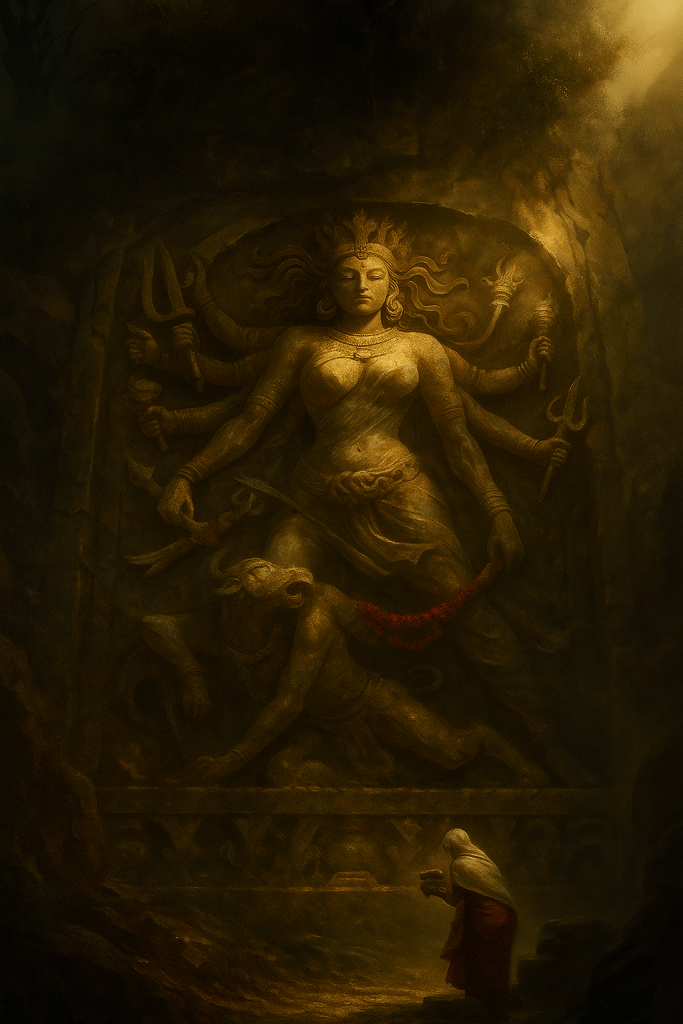
Before the voyage could begin, we made a stop in Udaipur, the ancient capital of Tripura. Here stands the revered Matabari Temple, one of the 51 Shakti Peeths, where it’s believed Sati’s foot fell as Lord Shiva danced his destructive Tandav.
Even today, Matabari is shrouded in riddles and divine silence. But our quest lay beyond—downriver, into the forested jaws of Chhabimura.
🐍 Into the Jungle: Where No Sunlight Dares
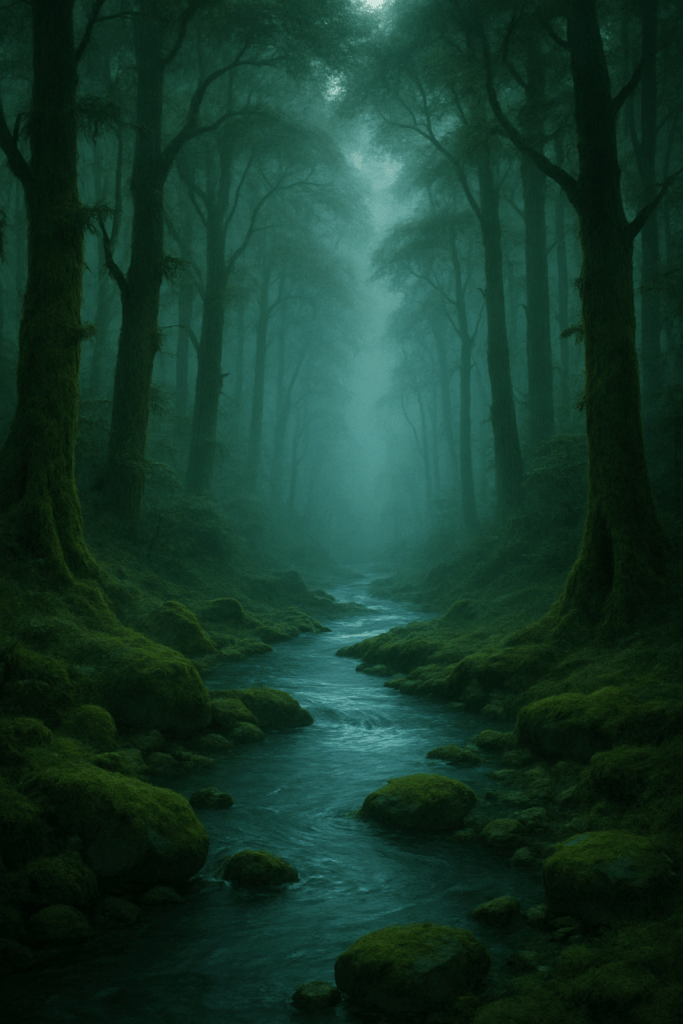
Locals warned us: no one goes beyond Chhabimura after sunset. Tribal elders spoke in hushed tones of spirits, curses, and men who vanished without a trace.
Undeterred, we pressed on—navigating unpaved trails, thick underbrush, and rivers that sliced through mountains. The deeper we went, the louder the jungle got—and yet, the silence of human absence screamed in our ears.
Then came the first sign.
Stone idols carved into the cliffs—five towering images, older than the Mahabharata itself. Who made them? No one knows. Even the Archaeological Department remains puzzled.
🕉 The River of Sculptures
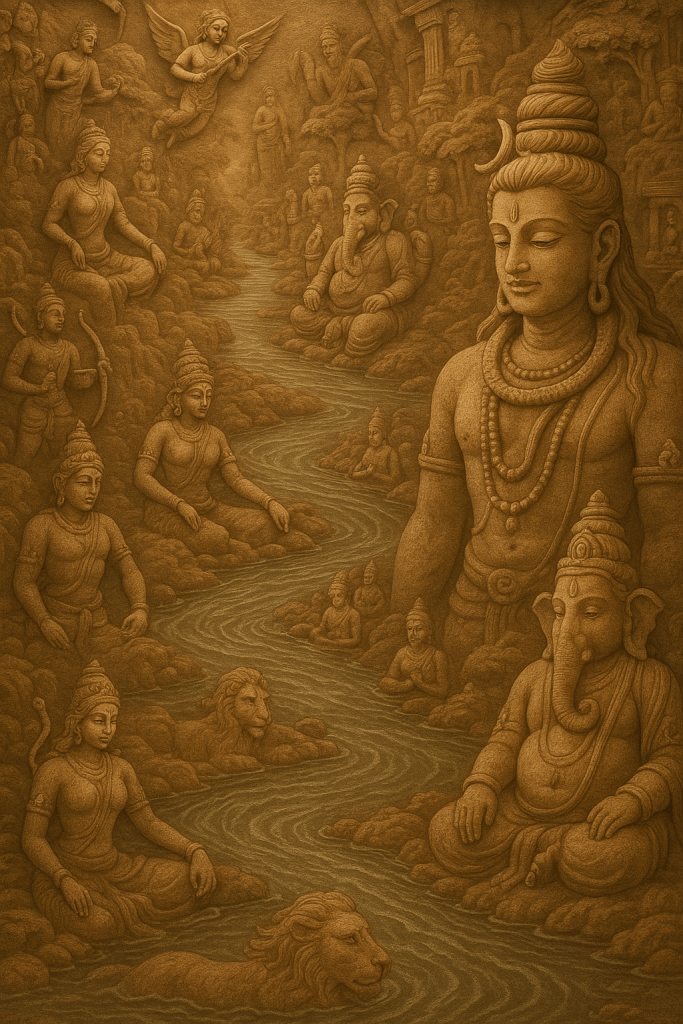
As the boat glided deeper into the river’s bend—a turn so sharp it hides itself even from satellite view—we encountered 37 more figures etched into the rocks. These depicted divine scenes, including what appeared to be the wedding of Shiva and Parvati.
Why were these images here, in a jungle where no one lived?
The locals had only one answer: “This is Mahadev’s world.”
👁 The Goddess Who Watches the Forest
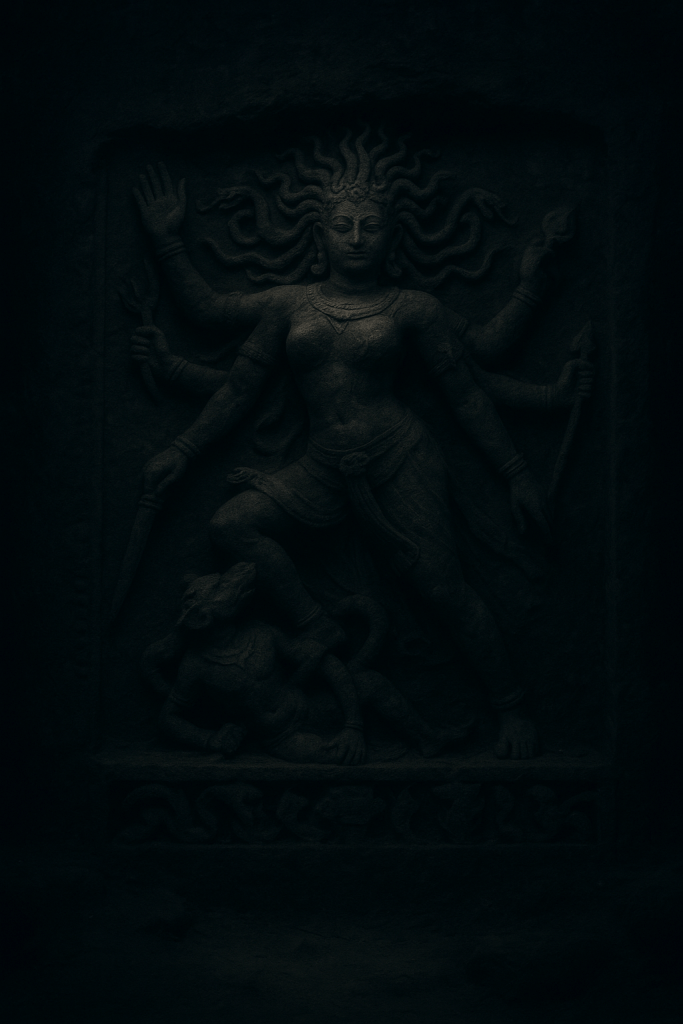
Suddenly, we found ourselves facing an enormous rock idol, estimated at 10 meters long, believed by some to be Goddess Chakrakma. Her many hands, and the snakes emerging from her head, watched us like sentinels of stone.
The air grew colder. The forest denser. The path more cursed.
⚰ The Cave No Human Was Meant to Enter
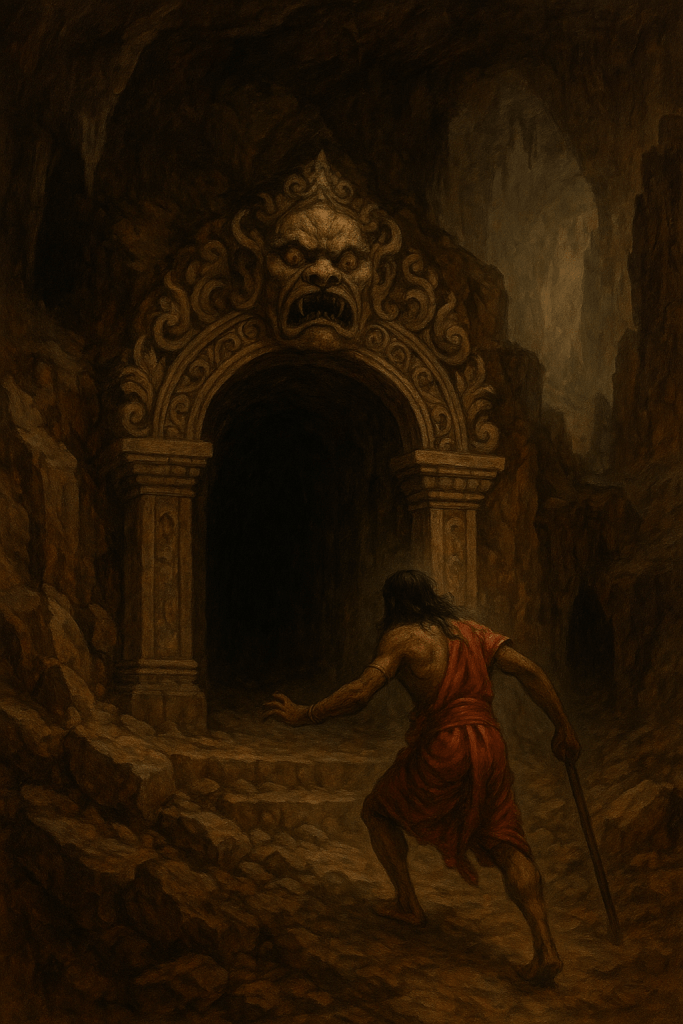
Local guides spoke of two caves. One was said to contain hidden royal treasures, guarded eternally by the goddess. But it was the second cave—the one they called “Devta Mura”—that held our fate.
This was the cave from the scriptures. This was Dev Dwar.
But reaching it meant slicing through fallen trees, venomous creatures, and collapsing soil. And yet, we continued.
Even the boat could go no further. We walked—barefoot, knee-deep in marsh, as humidity soaked through our breath.
🚪 The Gateway Reveals Itself
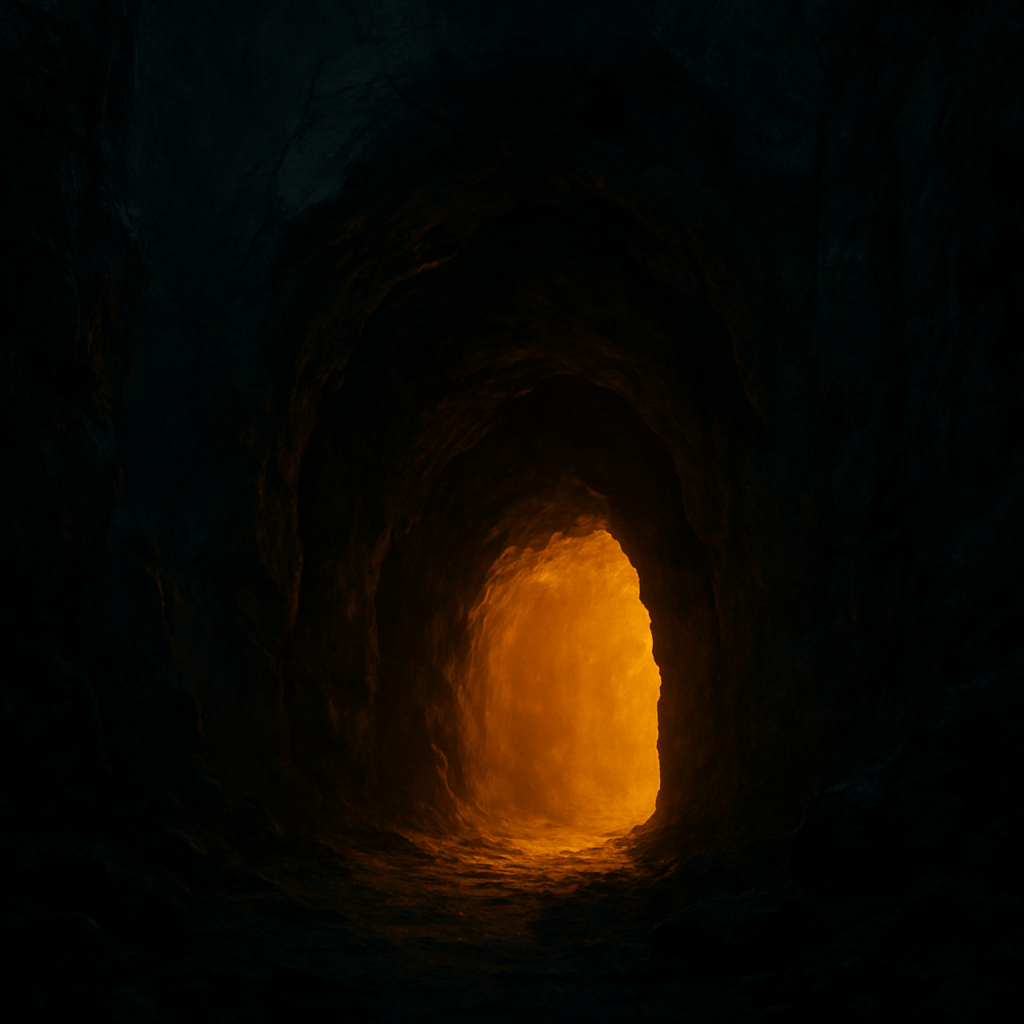
There it was.
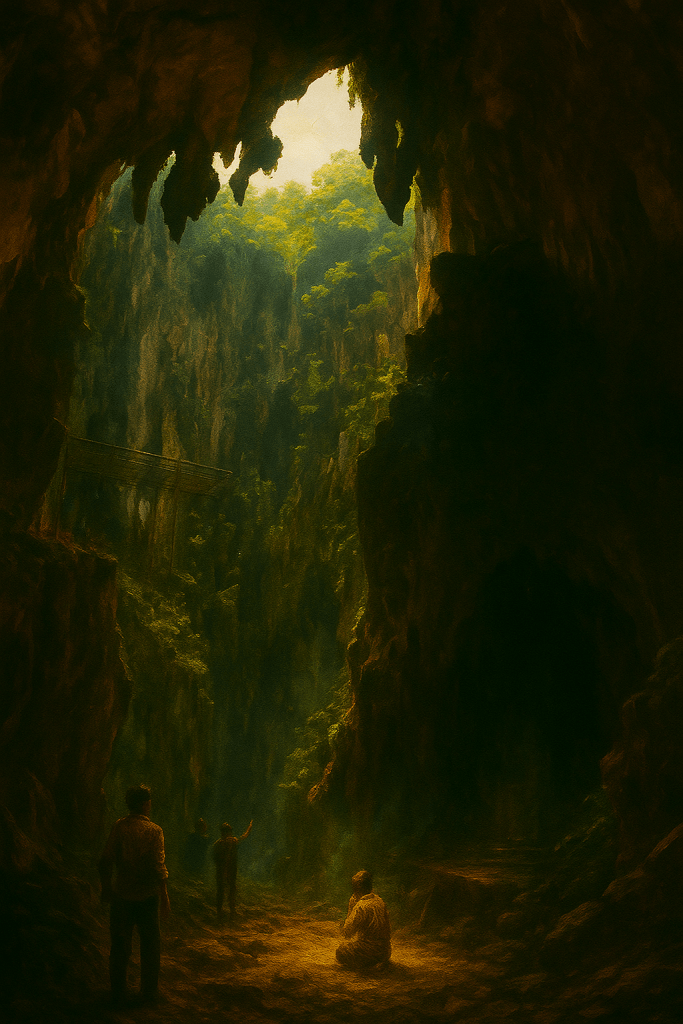
A natural stone archway, sculpted not by man but nature itself. It resembled a giant face, with eyes, nose, and lips. Some said it was Mahadev himself, watching.
Inside, hundreds of mini-caves spiraled inwards, overlapping and intersecting like a celestial maze. Some led nowhere. Some echoed with winds from deep underground. And one… appeared bottomless.
This, the tribals whispered, is where gods come… and vanish.
⚡ Shiva’s Cursed Paradise: The Secret of Unakoti
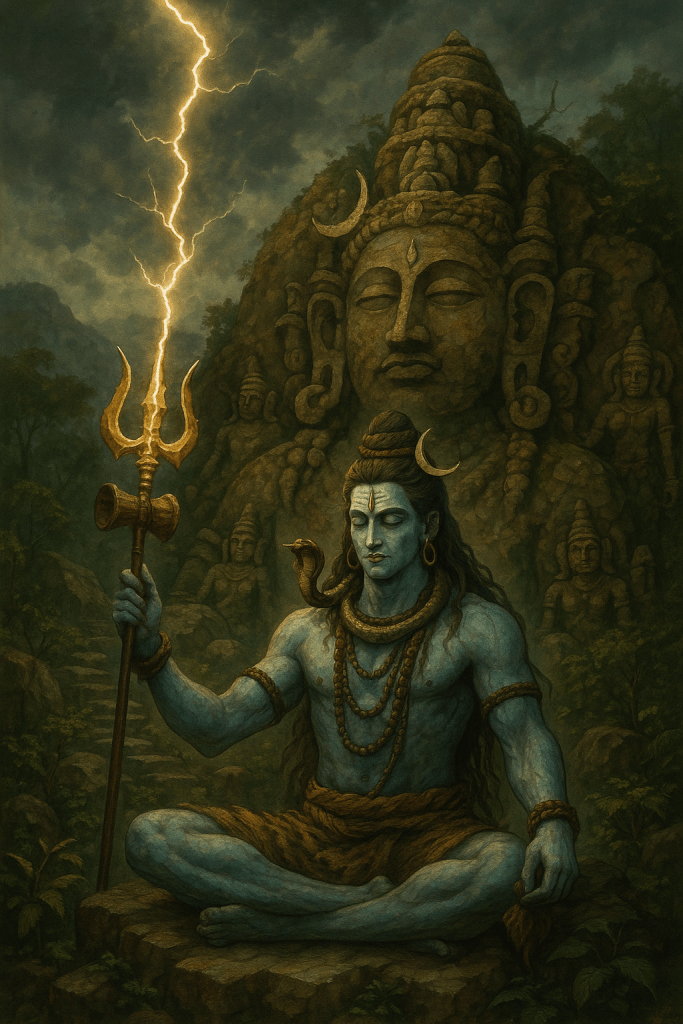
But just as we thought the mystery had peaked, another story emerged.
Not far from Chhabimura lies a place called Unakoti—which means “one less than a crore.”
Carved across miles of jungle rock are countless deities turned to stone. Why?
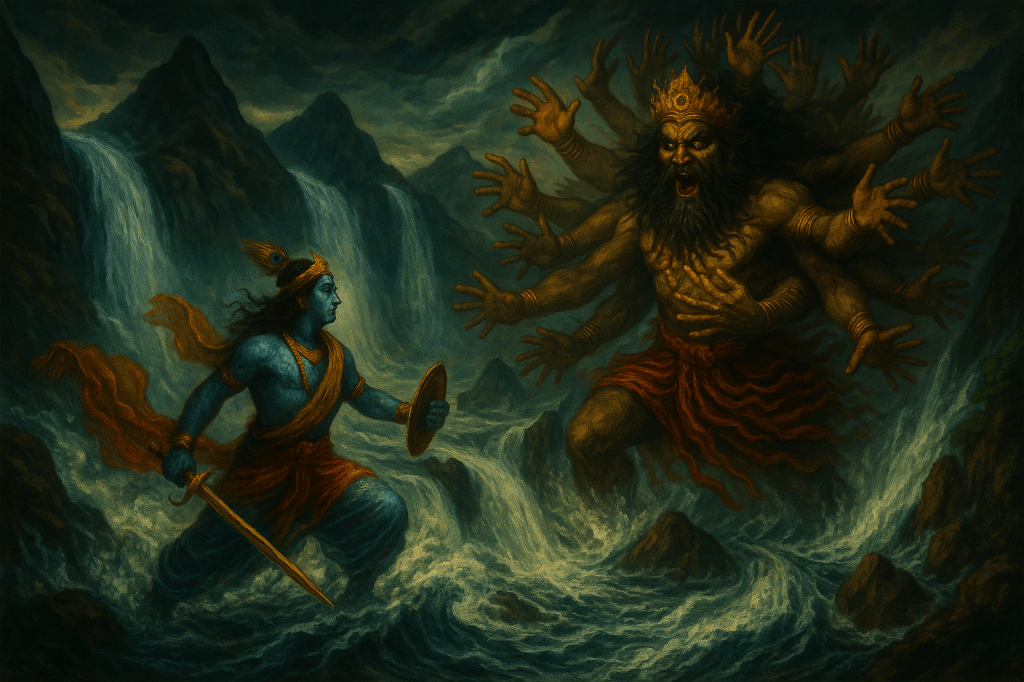
As per legend, Shiva cursed one crore gods, turning them to stone for disobeying his command.
There they still stand—in full glory. Some covered in moss, others still shining. Massive idols with third eyes, serpentine hair, and Sudarshan chakras—each more divine than the last.
🧙♂️ A Mysterious Sage and a Four-Faced Lingam
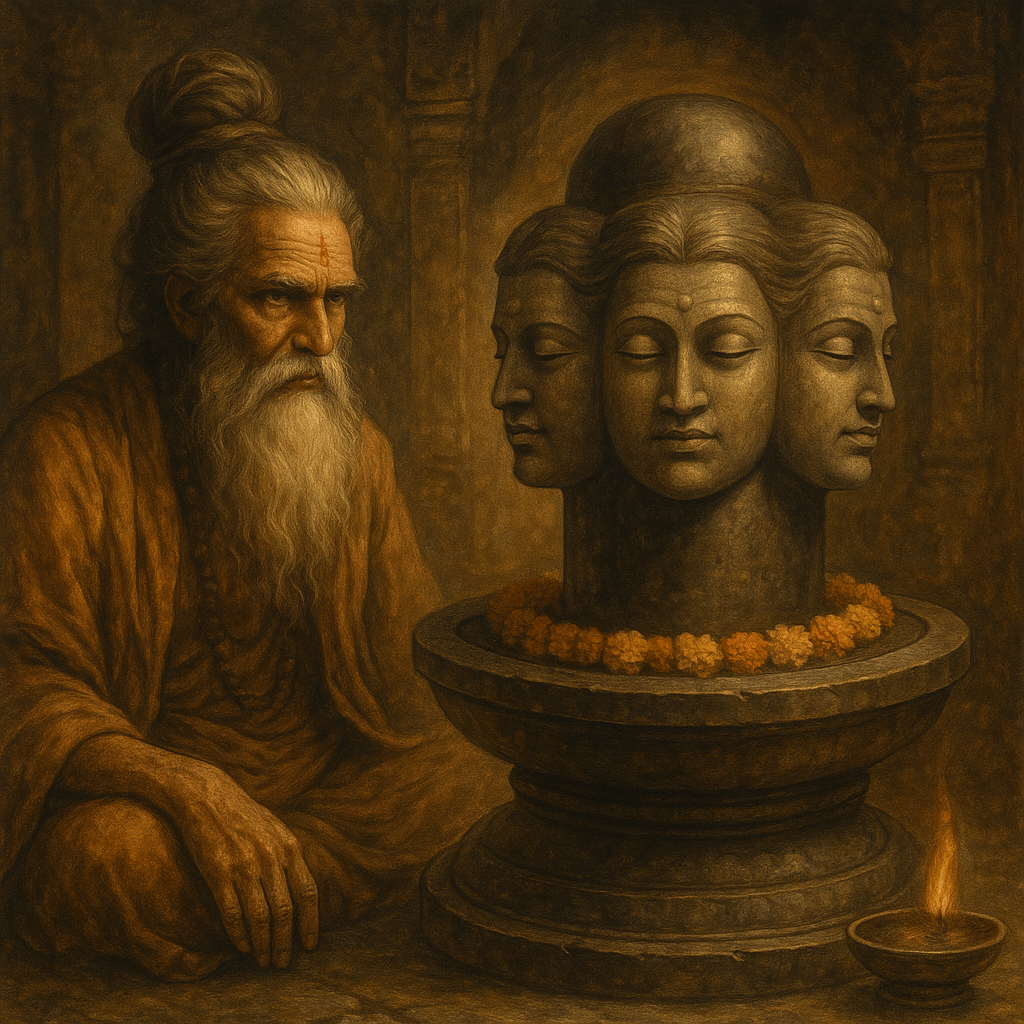
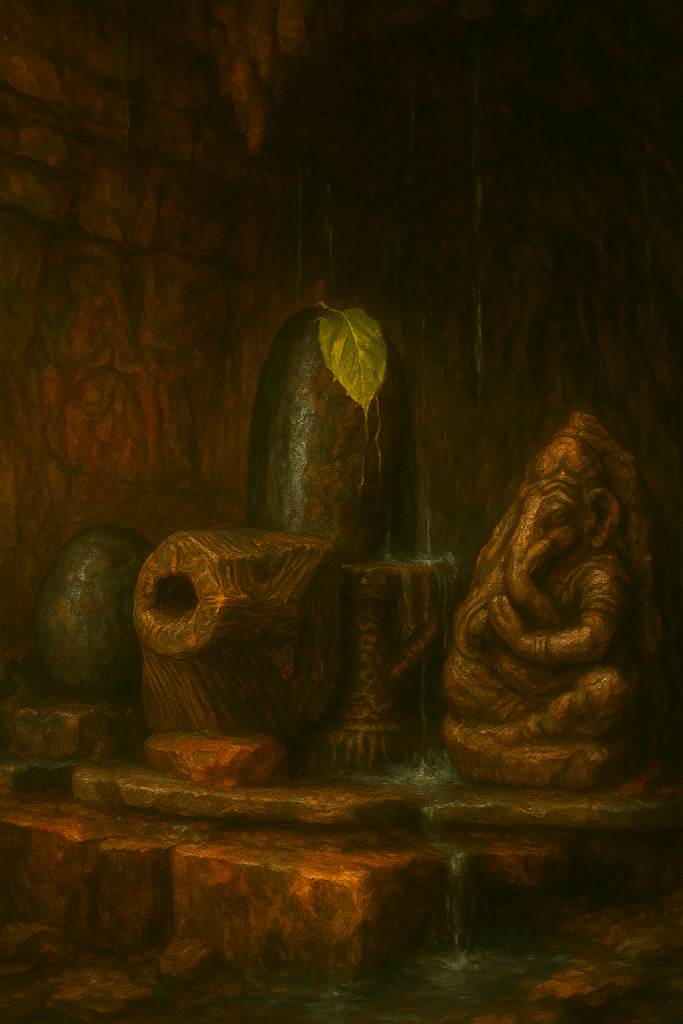
Unakoti holds a four-faced Shiva Lingam, untouched by time, nestled so deep within forest that sunlight can’t find it.
Locals speak of a mysterious sage who appears daily, rides a lion, prays—and disappears.
His existence, never proven. Yet, everyone claims to have seen him.
🌫 Truth, or Divine Deception?
No one knows who carved the gods of Chhabimura or Unakoti. Was it Kalu Kumar, a mythical sculptor who failed to reach the magic number? Or is it nature’s way of preserving a celestial secret?
Even the Archaeological Survey of India remains baffled.
What we know is this—something lives in those forests.
Something ancient.
Something divine.
And perhaps… something still watching.
🔍 Conclusion: The Divine Awaits the Brave
Our journey didn’t end at the cave. It only opened a deeper question:
Does Devlok exist?
And if yes—did we just reach its doorstep?
In a world where myth is shrugged off as fiction, Chhabimura and Unakoti whisper: not all stories are born in imagination—some lie buried in stone, waiting to be found.
So the next time your heart yearns for something beyond travel—a brush with the unknown, the divine, and the forbidden—MysticYatra.blog will guide you there.
Because some paths are not just about where they take you…
…but what awakens in you when you dare to walk them.
 Mystic Yatra